My Experience at Digital Learning Week 2026, Paris
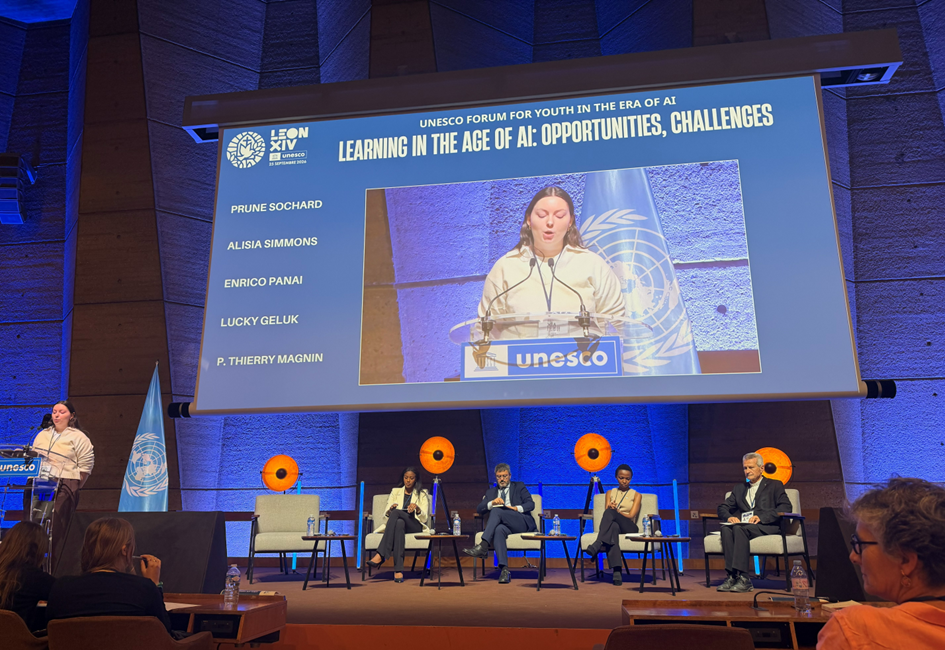
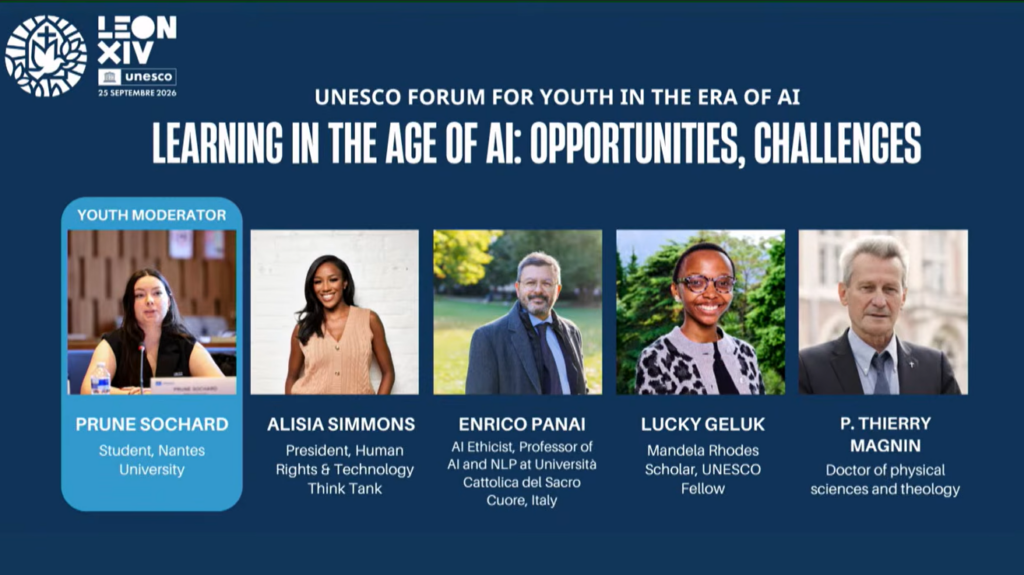
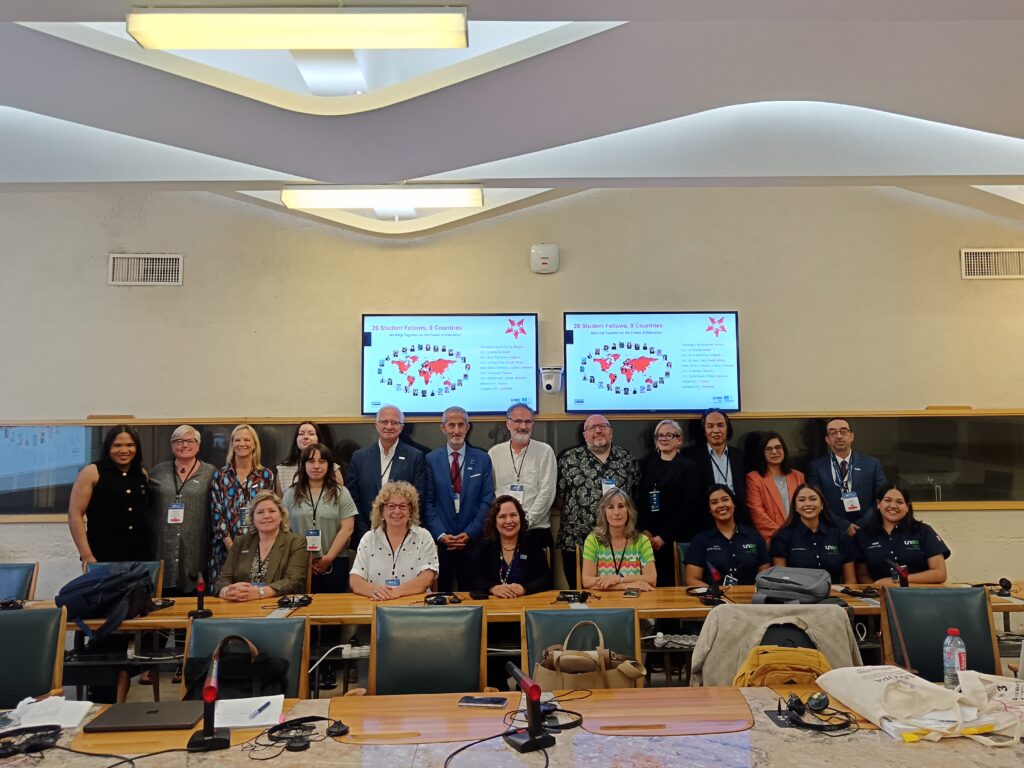
Participating in Digital Learning Week 2026 in Paris as part of the UNESCO program was a deeply meaningful experience for my professional and personal development. The opportunity to engage in dialogue with teachers, researchers, educational technology specialists, international representatives, and ministers of education broadened my perspective on the challenges that education currently faces as a result of the development of artificial intelligence (AI). Beyond national borders, education systems share concerns that require collective responses, sensitive to social differences and oriented toward people’s well-being and the sustainability of our planet.
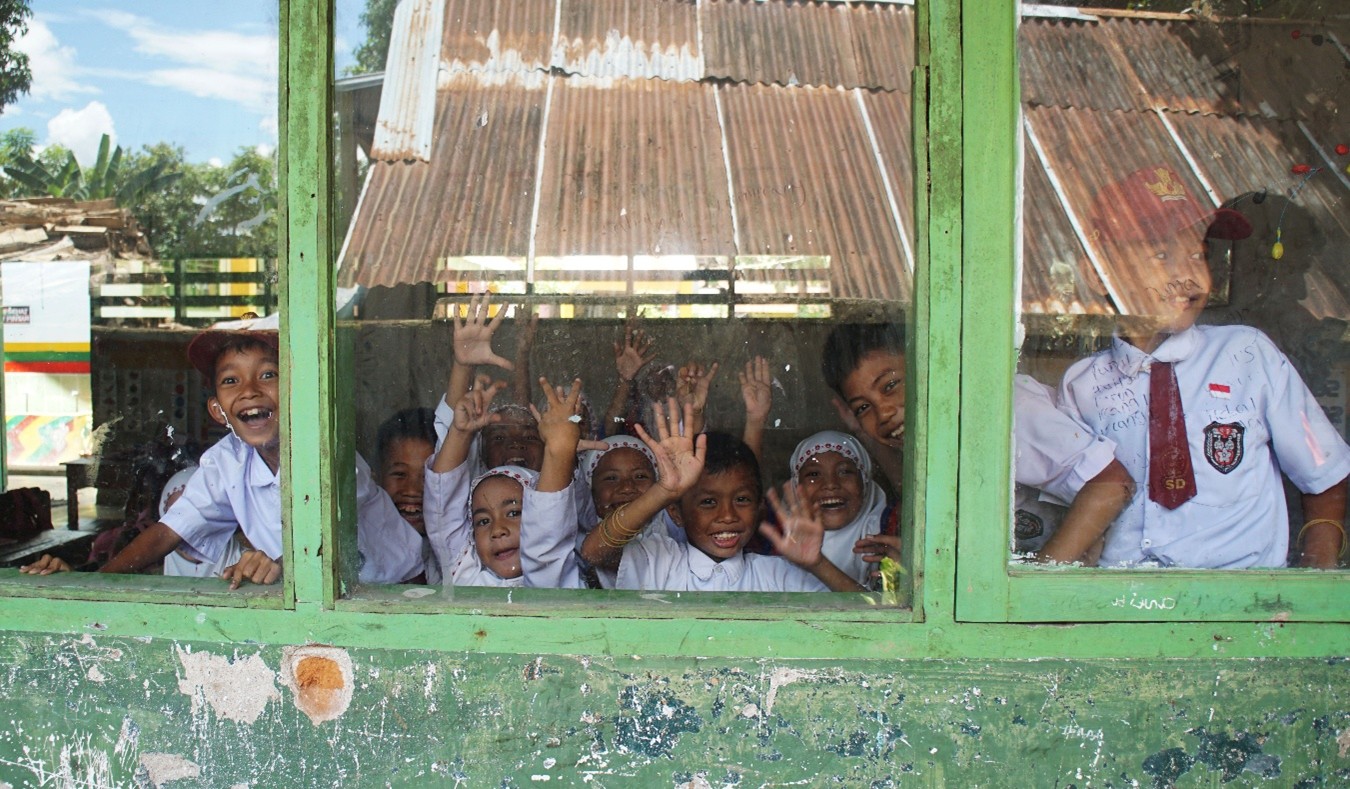
However, this experience meant much more to me than learning about new tools or listening to innovative proposals. As a primary school teacher in Mexico, I am interested in creating meaningful learning experiences that respond to my students’ needs and contribute to their holistic development. From my position in the classroom, I have come to understand that education involves much more than transmitting knowledge; it means accompanying learning processes, recognizing differences, awakening curiosity, and providing opportunities to those who do not always have the same conditions to learn.
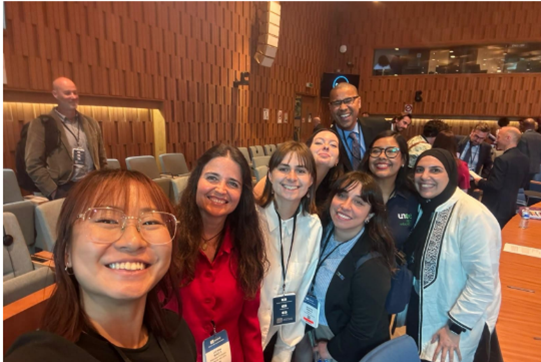
For this reason, arriving at an international space where the future of education was being discussed also led me to ask myself: What is my role in this transformation? I am excited by the possibility that artificial intelligence can help us find new ways to teach, address educational needs, and expand learning opportunities. At the same time, I am concerned that its adoption may advance more quickly than our ability to understand its consequences, particularly in communities where access to technology, connectivity, ongoing professional development, and ethical training remains unequal.
From this perspective, I returned with a strong conviction: we cannot talk about the future of education without listening to those who experience its everyday challenges, but neither can we remain on the sidelines of the changes that are already transforming our society.
The Real Challenge of Artificial Intelligence
One of the main lessons I gained from this experience was understanding, through the perspectives shared by teachers, researchers, ministers, and educational technology experts, that artificial intelligence is already part of our educational and social reality. Therefore, collective efforts should not focus solely on trying to prevent its presence in schools, but rather on learning how to integrate it responsibly, ethically, and consciously, while recognizing the fundamental role of teachers’ judgment, creativity, and critical thinking in everyday teaching.
This realization led me to reflect from my own perspective as a teacher. In my educational context, we often focus our efforts on preventing students from using these tools as support for schoolwork. However, if AI is already part of our educational reality, our true responsibility should be to create the necessary conditions for its integration to be responsible, safe, equitable, and oriented toward the well-being of the educational community.
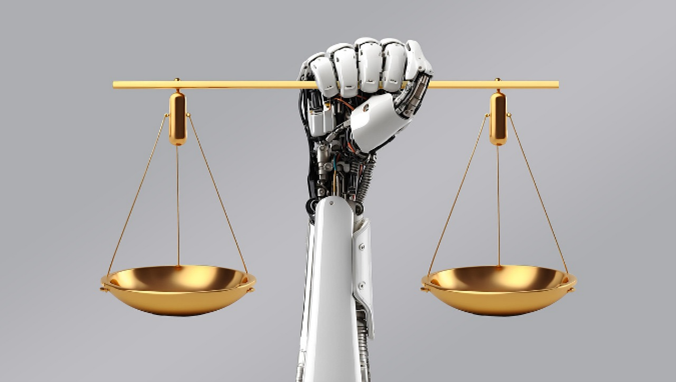
I recognize that technology can provide information, generate texts, suggest activities, and facilitate certain tasks; however, it cannot replace teachers’ judgment, creativity, critical thinking, or the deep understanding that we seek to develop in our students. An answer generated by artificial intelligence does not guarantee that learning has taken place, just as using an innovative tool does not, by itself, guarantee educational improvement.
A Conversation That Goes Beyond Technology
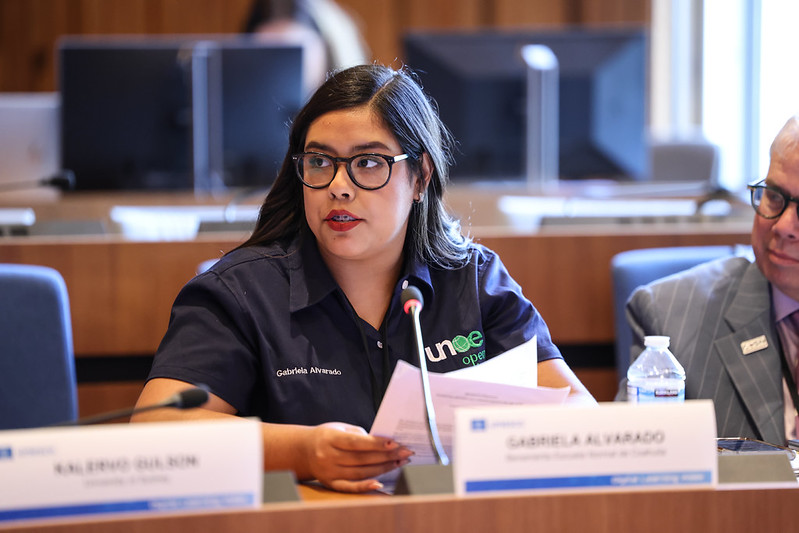
One of the most significant moments of this experience was the opportunity to participate in a session with ministers of education focused on the real cost of artificial intelligence. This conversation sparked both curiosity and concern in me, as I realized that the impact of AI extends far beyond its technological and economic benefits. Its implementation involves resources, energy, water, connectivity, data protection, and, above all, decisions that affect people and the environment.
As a teacher, I found myself asking: How can we talk about educational innovation when schools do not have the same opportunities? I am concerned that a technology designed to facilitate learning could actually deepen existing inequalities if equitable access is not guaranteed. At the same time, I am excited by the possibilities it can offer when it is used responsibly and responds to genuine educational needs.
This reflection helped me understand that the true cost of artificial intelligence cannot be measured solely in monetary terms. We must also consider its social, environmental, educational, and ethical consequences. I left this conversation with a commitment to approach innovation with enthusiasm, but also with a critical perspective, remembering that technology should serve people, rather than the other way around.
The role of the teachers in the digital adaptation

Another important lesson I gained from this event was the importance of teachers in the field of innovation related to artificial intelligence. We are the ones who face the challenges of teaching and learning, educational gaps, and inequalities in access to technology on a daily basis. Therefore, I believe that our participation should not be limited to using tools developed by others. We should also have opportunities to express our needs, contribute our experience, and actively participate in the design of technological solutions that respond to real educational contexts.
During the event, I had the opportunity to learn about different applications, devices, and innovative proposals that incorporate artificial intelligence to address specific educational needs. Among them, I was particularly interested in a tool designed to teach students about weather and climate through a chatbot, as well as an application based on a point system that uses artificial intelligence while also seeking to reduce the consumption of natural resources; these examples made me realize that innovation does not always mean creating increasingly complex technologies. Sometimes, innovation means finding new ways to use what we already have to solve real problems and generate benefits for students, society, and the environment.
As a teacher, this experience strengthened my interest in participating in innovation processes that begin with the needs of the classroom. I am convinced that the experience of educators can provide an essential perspective for developing technological solutions that are more accessible, contextualized, and human-centered.
Talking About Academic Stress Also Means Talking About Educational Well-Being
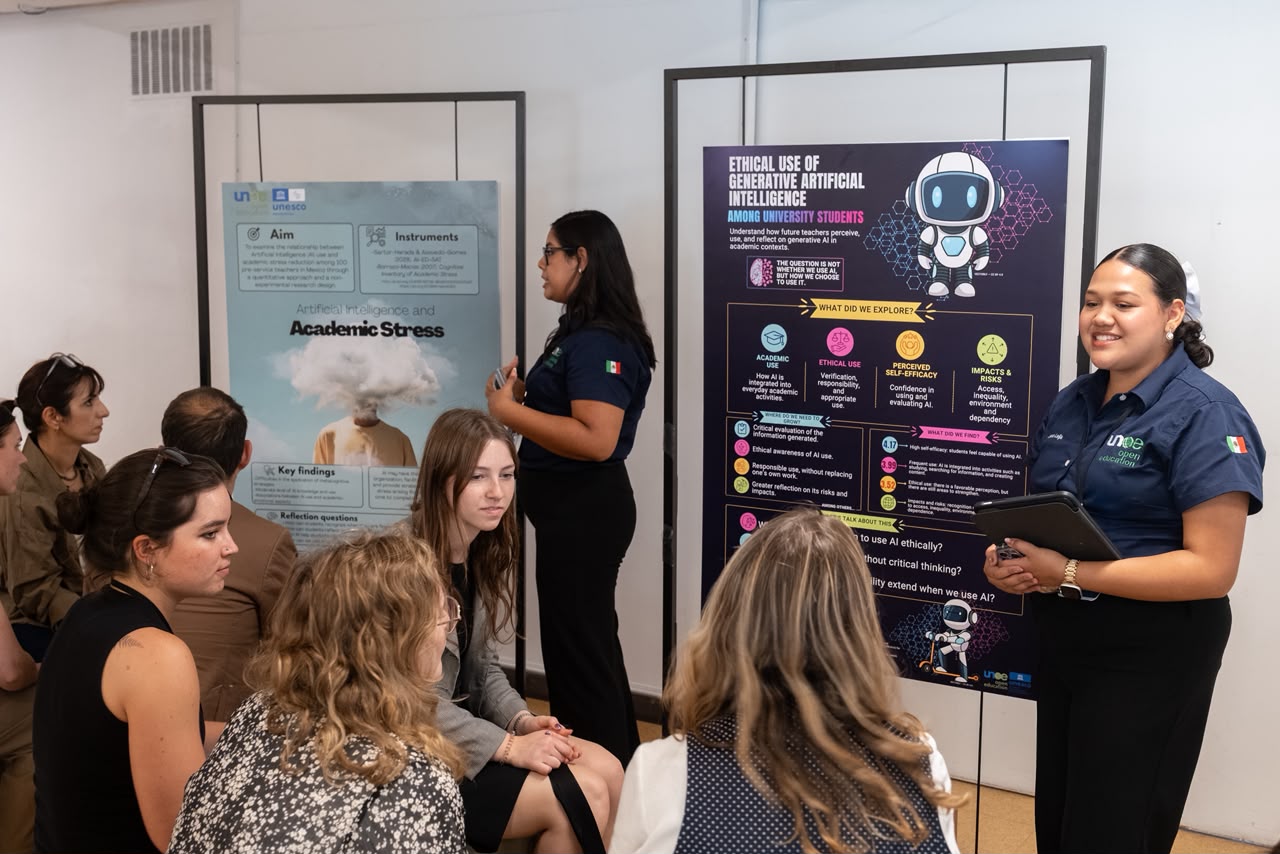
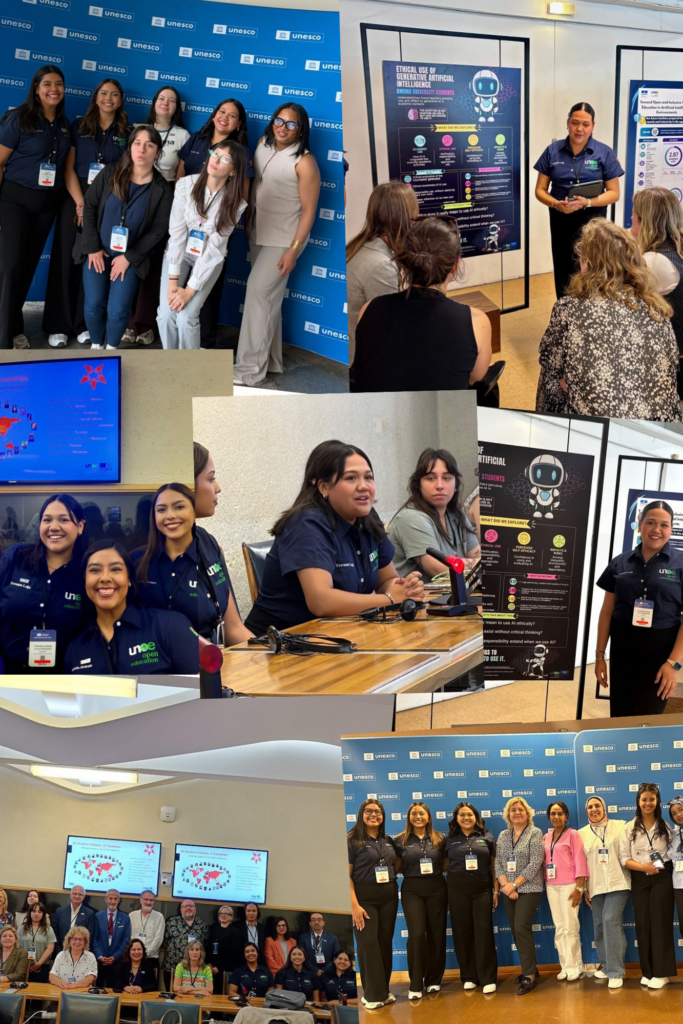
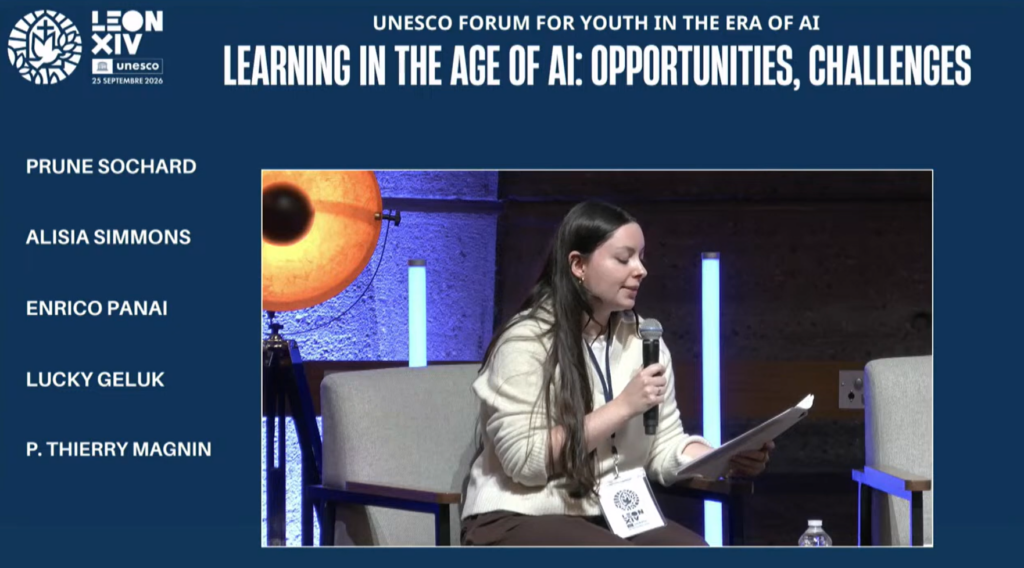
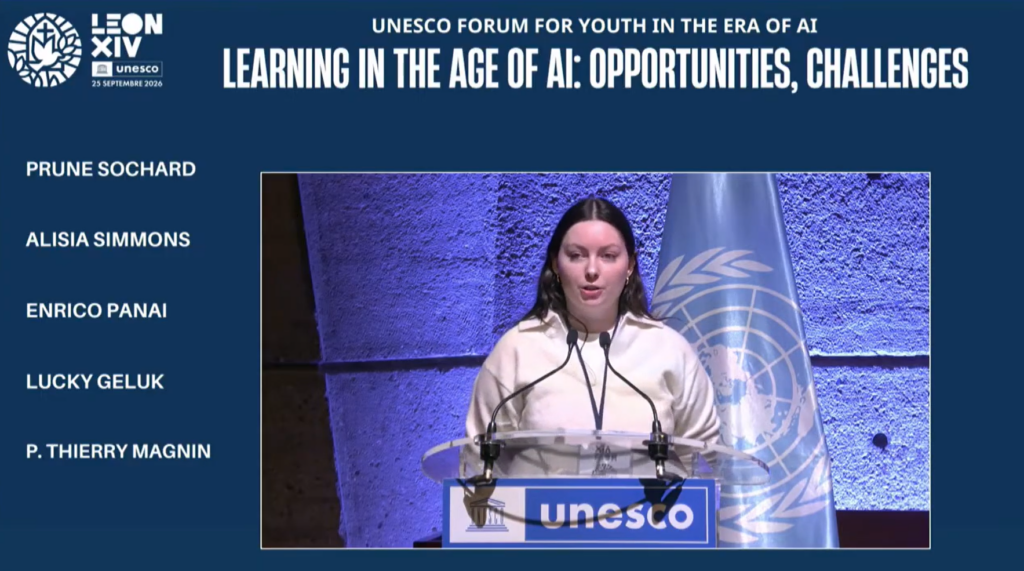
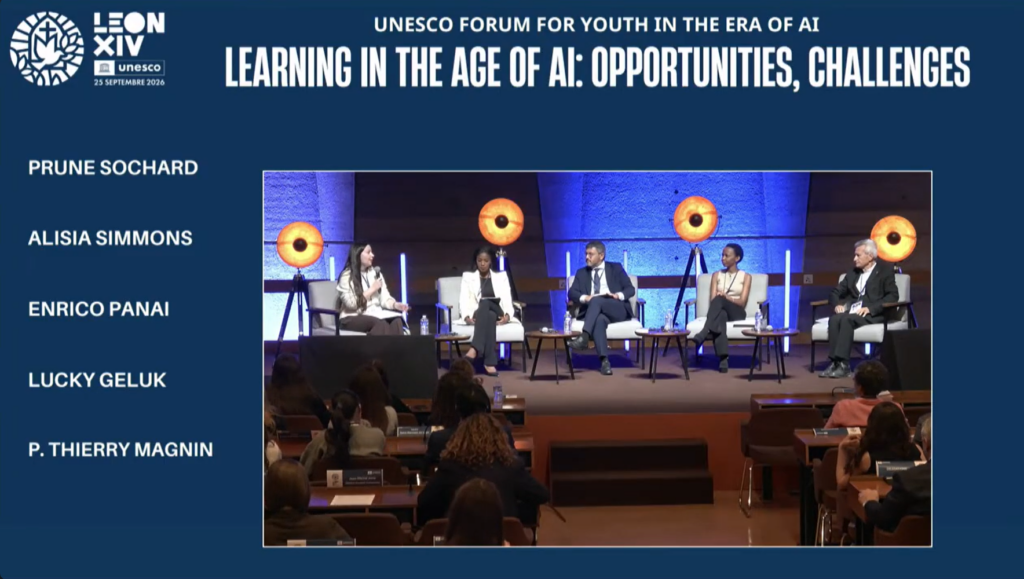
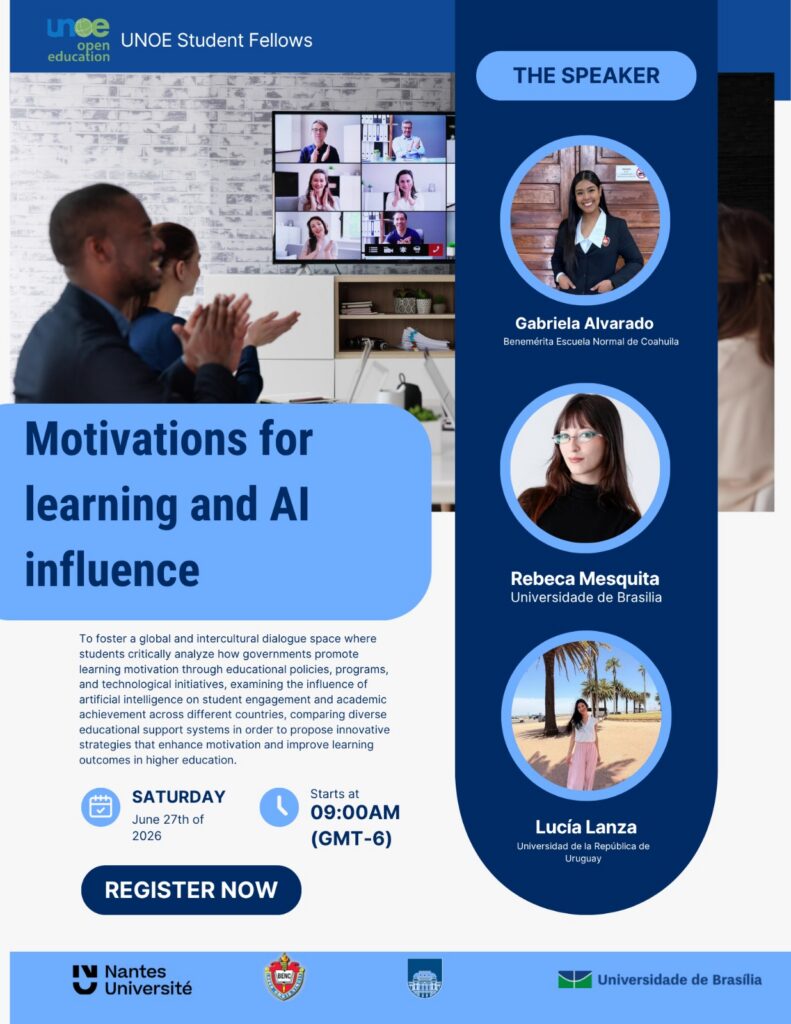
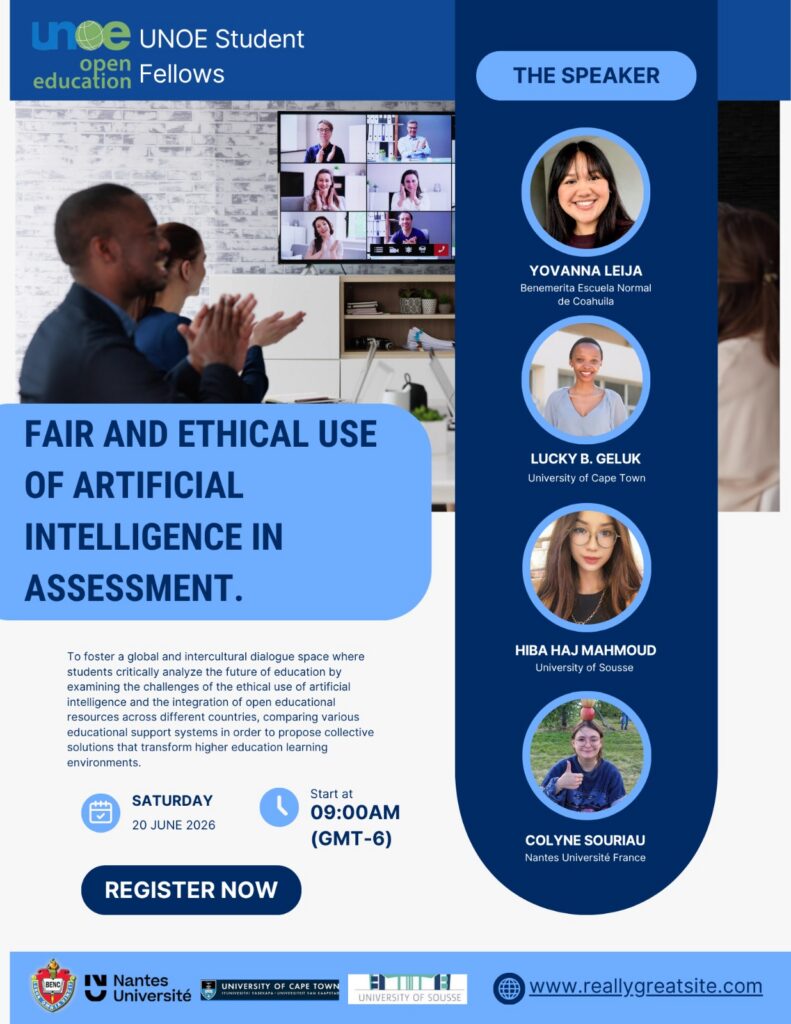
Another moment that I had been particularly looking forward to was the opportunity to present my work entitled “AI Skills of New Generations of Students: Horizons for Ethics and Open Education.” For me, sharing research on artificial intelligence and academic stress in an international setting represented an important challenge, but also an opportunity to learn from other perspectives and discover whether the questions that had emerged from my educational context were also present elsewhere.
Before my presentation, I had several expectations and questions. I wondered: How do other teachers perceive the integration of artificial intelligence into education? How are students experiencing academic stress in other contexts? What role can artificial intelligence play in addressing these situations, and what are its limitations?
I also felt some uncertainty. I wondered whether the topic I had researched would resonate with people from educational realities different from my own and whether I would find points of connection with their experiences. At the same time, I was excited about the possibility of hearing different opinions, receiving questions, and discovering new ways of interpreting my research findings.
Rather than expecting definitive answers, I arrived with the intention of creating a conversation. I wanted to understand whether the relationship between technology, learning, and educational well-being was a shared concern and what questions were emerging in other educational systems. This expectation made the presentation much more meaningful to me than simply explaining research findings. It meant putting my ideas to the test and allowing other voices to enrich them.
During the exchange with teachers from different parts of the world, I realized that many of these concerns go beyond a specific educational context. However, I also observed that the responses cannot be the same for every educational community. Conditions of access to technology, students’ characteristics, academic demands, and institutional realities influence the way each community faces these challenges.
When the presentation ended, some of my questions had not disappeared; instead, new ones had emerged. I believe that this was precisely the most valuable part of the experience. I returned with greater curiosity to continue researching and with the conviction that education needs spaces where we do not simply present answers, but also formulate better questions about the future we are building with artificial intelligence.
Without a doubt, this experience enriched my perspective on the different applications of artificial intelligence in education and reinforced my understanding of the importance of contributing, from our own societies, to the development of proposals that allow us to take advantage of its benefits in ethical, responsible, and inclusive ways.
This experience reminded me that participating in a global conversation does not mean leaving our local realities behind. On the contrary, it means returning to them with new questions, perspectives, and tools for action. Major educational transformations also begin with the everyday decisions we make in the classroom, the opportunities we provide to our students, and our willingness to continue learning alongside them.

If there is one thing I take with me from Paris, it is the certainty that the future of artificial intelligence in education should not be built solely by those who develop technology or make policy decisions. It must also be built from schools, with the participation of teachers, students, and communities, through dialogue that recognizes both its possibilities and its risks. Ultimately, the purpose of innovation should not be to demonstrate how far technology can go, but to discover how we can use it to build an education that is more just, conscious, sustainable, and human.
Acknowledgments
This experience was developed within the framework of the UNOE Student Fellows Project, funded by the William and Flora Hewlett Foundation and coordinated by the University of Nantes. I am grateful for the support provided to promote professional development, educational research, and innovation through open education.
I would also like to acknowledge the Benemérita Escuela Normal de Coahuila for its institutional support and for promoting the development of research competencies. In particular, I would like to express my deepest gratitude to Dr. María Soledad Ramírez Montoya and the entire team representing Mexico for their guidance, support, and continuous accompaniment throughout this process.

“
Educating in the Age of Artificial Intelligence: A Perspective from the Classroom to the World
” de Gabriela Alvarado is licensed under CC BY 4.0